Featured Interview
Alok on Carnival, Brazilian Bass, and Playing for Two Million
Alok talks with Bobby about Brazilian Carnival, breaking out internationally, his pyramid stage for two million people, and finding meaning through his charity work and a lesson from Sadhguru.
Transcript
Alok: I was born and raised into the electronic scene, there was no other option, honestly. I've played for two million people, so many people, and you have to understand that only about 30% of the crowd will actually see what's happening on stage. That's part of why the drone shows started, so everyone could have the experience. It's very hard to break the Brazilian market with English songs. A lot of artists break out across South America, but they don't break Brazil. You have to work Brazil very specifically.
Bobby: Here we are. It's great, dude. We got to sync up more, figure out more times to link up. We'll make some cool content, some dope stuff. I want to come to your pre-carnival set next year.
Alok: I think it's only right, dude. Like I told you, it's going to be a lifetime experience, and I can guarantee you won't find that anywhere else in the world.
Bobby: Yeah, I know, it's very unique.
Alok: And I'd say to be on the truck during that whole moment is something very magical.
Bobby: Everyone I brought with me had an experience they can't even describe. I just tell people, you have to come here and feel it. Just seeing the videos and the energy of it is insanity. The drone shots you posted, I saw a few other artists post things too. Each city has different vibes, right? One city will have a bunch of trucks in the street, another will have more of the actual festival or cultural aspect. How does it work?
Carnival And The Brazilian Market
Alok: Basically Carnival is this moment we're celebrating across all of Brazil. Of course some cities have the trucks going through the streets, which is very popular, like Rio, São Paulo. Now Salvador is getting super popular too. That's been going on for a long time, but it didn't have that on the electronic side. Electronic, I was someone who wasn't supposed to be there, because it was only local music. Then, about seven years ago, I started doing electronic in Salvador, and it worked well. Before me we had a couple of big international DJs come through, I think in 2011, or 2009, something like that.
Bobby: Wow.
Alok: Yeah. So it's something new, and honestly you really break up this barrier, because in my career in Brazil I'd say maybe I play 5% of my time for the electronic crowd and 95% for the overall crowd. So Carnival is one of those moments, but you also have a lot of electronic parties going on too, with the big international DJs playing the clubs.
Bobby: Yeah, I saw that. I think also...
Alok: No, no, I don't remember now.
Bobby: But you know what I mean.
Alok: You also have a lot of Green Valley parties going on. We're celebrating that moment, so you have everything happening at the same time.
Bobby: Does everyone just take off work for the whole week? Is there just nothing?
Alok: Yeah, exactly. I mean, a lot of people also work during Carnival, technically you're working. A lot of people make money during Carnival too, hotels and all of that, because it's this moment that's very cultural, and I think it's very necessary, because people in Brazil work a lot. I saw some comments saying, how are those people so close to each other, how are they comfortable being around so many people? But they're doing that every day when they go to the train station, when they take public transportation. Life isn't only about work, they deserve that moment to be there, to have fun and celebrate. I think it's a moment all of us really recognize as something super special in our country.
Bobby: Honestly, it's a really beautiful thing, because I feel like here in America it's almost admirable when someone's working all the time, and when you take time off to enjoy yourself it's almost frowned upon, to tell you the truth. People forget to take a step back. That's why I'm fascinated by Brazil, South American culture, and European culture as well. People know how to sit back and enjoy themselves a little more.
Alok: It's very interesting, because I feel Brazil is very different from the rest of South America. Even beyond the language barrier, we all speak Portuguese while the rest of South America speaks Spanish, different colonization, Spain versus Portugal. If you go to the top 50 on Spotify Brazil, 95% are local songs. It's very hard to break the Brazilian market with English songs, or even reggaeton doesn't really work so well. Of course we had Bad Bunny in Brazil recently, which went super well because it's more about the movement, but it's not something cultural the way our own local genres are. So you have to work Brazil very specifically. A lot of artists break South America, but they don't break Brazil. And Brazil is a continental country, so many cities, so large, I could spend the whole year there and have a party every weekend.
Bobby: How, since most of your songs are English speaking, were you able to break into that 5%?
Alok: I don't know, honestly. I think it's because as Brazilians we always had this mindset that everything from outside is better, superior, and that we're inferior, a third world country. People really tried to put that in our heads. So when a Brazilian crosses those frontiers and conquers some space in the world, we get proud of it, everyone embraces it. Brazilians are very loyal to that. When I'm on a main stage at a big festival in America, I don't feel like I'm by myself, I always feel I'm there with my people. If I say something in Portuguese, people get so happy. That was the main thing, like seven years ago, why people started supporting me even though I was doing English music. I remember I released "Hear Me Now" with Bruno Martini and Zeeba, and it was one of the most streamed Brazilian songs in the world. A lot of people didn't even know I was Brazilian.
Bobby: I remember when that track came out.
Alok: It's almost like a cult, to tell you the truth. It's so cool to see people that proud of an artist from their country blowing up, and they stand behind that.
Rising Brazilian Artists
Bobby: We were talking about this earlier, you're obviously one of them, and you were recognizing a few other Brazilian artists starting to break out in the US. Who specifically would you say are really starting to break out and kill it?
Alok: I think we're living the best moment of Brazilian DJs crossing the frontiers into the international market. Of course, Vintage Culture, Mochakk, Bhaskar, you have that song with Stephanie, super happy, that's with another Brazilian producer as well, I didn't even know that. You also have Victor Lou, Antdot, there's a lot happening, and it's amazing. I think it's so important for us. Mochakk and Bhaskar are becoming so popular here, and getting a respect back home that even Brazilians didn't fully realize.
Bobby: You were saying you started to recognize it when you came to Miami.
Alok: Right, before it was only me and Vintage Culture, and before that we had a legend, and for a while it was just me and Vintage Culture. I went to a bar in Miami, and the guy said, "I know a very popular DJ from Brazil." I said, "Who is it?" He said, "Mochakk." I thought, something's going on here. That's when I realized Mochakk was actually bigger here than in Brazil.
Bobby: Crazy.
Alok: Yeah, which now of course he's super popular in Brazil too. What I really like about Mochakk, Vintage Culture, and Bhaskar is that they're very unique, they have a lot of identity, and they do what they really believe. They're not chasing hype. They're this Gen Z generation, so they're not worried about getting into the game the way we were. It's amazing, they're free.
Bobby: For real, it's really cool to see. I admire Brazilian artists so much, it fascinates me, especially with you, you have so many big songs and you've globally taken off. What got you into becoming an artist, producing, DJing? What was your inspiration?
From Psytrance To Alok
Alok: Did you know my parents are DJs?
Bobby: I actually saw that online, and I asked ChatGPT, and it told me it wasn't true.
Alok: So if ChatGPT is watching this, you're wrong, man. Actually, yeah, my dad is a DJ, my mom is a DJ, and they're pioneers of the psytrance scene in Brazil.
Bobby: What?
Alok: Yeah. My dad also runs a festival called Universo Paralello, Parallel Universe, in Brazil, for the last 30 years. It's like a Burning Man, but on the beach, no sandstorms. I like that better, to tell you the truth. It's more focused on psytrance, you have a house stage too, but psytrance is the main thing. When I was very young I moved to Amsterdam with my mom. We were actually living there illegally, in a squat.
Bobby: What's a squat?
Alok: When you have a building that's abandoned and you occupy it. We lived in an abandoned hospital with a hippie community, very open minded. My mom used to work as a cleaner in a club, and that club played psytrance, that's how she got into it. My aunt was dating someone who had a label, so back in those days, in order to listen to music you needed the proper record. Vinyl.
Bobby: Sorry, got you, you couldn't just go on the internet and play it. It didn't exist.
Alok: Right. So my mom started collecting vinyl and brought it to Brazil with my dad. They broke up when I was four, but they kept doing music, started playing in Brazil, started super small.
Bobby: Wait, are you talking about the early '90s, into the 2000s? Because I was talking to Oliver Heldens a couple months ago, and he was explaining how the rave scene used to be highly illegal in Amsterdam and the Netherlands, until the government came to some agreement and legalized raves. Amsterdam was one of the first places to do that.
Alok: Yeah, exactly, they were always super open minded. I remember that club was very focused on the LGBTQ community too. I think the rave culture had this place where people could go and feel safe. So, I was born and raised into the electronic scene, there was no other option, honestly. Actually, I started studying international relations in university, because at some point in my life I had a lot of financial difficulties, it's super complicated to live through art. I told my dad, listen, I'm seeing the world around us, everyone's struggling with money, I just want more stability, so I want to go to university and study international relations. My dad told me, listen, if I had your talent, I would just focus on my career, and I'd be way better than you are. If you have to abandon something, quit university. So I said, okay, I'll do the last try. I created my project called Alok in 2010, and since then it started to work out.
Bobby: What a story, man. You'd say your breakout track was with Bruno, right? What would you say is your breakout track?
Alok: It's interesting, because before that I thought I already had a lot of breakout records. I remember I had a top two or three Beatport hit in 2009, on my side project with my twin brother, which was called Logika. I started with Alok and Bhaskar, then we created Logika, then we broke up, and I came back as Alok, and he came back as Bhaskar. For me that was a moment I was already hiding, and then I did other songs that worked super well. But the song that broke me outside the bubble of the electronic scene was "Hear Me Now" with Bruno Martini and Zeeba. The same year, even before releasing that, I was already top 25 on DJ Mag, which meant a lot for a Brazilian back then. A lot of people complain about DJ Mag, and I understand completely, but if you're Brazilian, without the proper visibility on the international market, that was a place you could get more visibility for your work.
First Brazilian At Tomorrowland And Sphere
Alok: Back then, China wasn't using Facebook or any of that, so in order to book an artist they went to the DJ Mag top 100 and booked from there. That's how they were doing bookings, by looking at the ranking. I was performing in China in 2014, 2015, getting good fees, Mexico was popular too. It's a very different world when you think about it globally.
Bobby: It's crazy. Outside of dance music, outside the culture, for people who aren't as heavily involved, that ranking is so important. You hit the number three spot in 2017, too, right?
Alok: If you don't care about it, it doesn't make a difference in your career at all. It just doesn't. I understand, but like I said, in China they weren't even announcing the DJ's name, they'd announce "top something DJ," because people there didn't even know who the artists were. But it was interesting how they did it. We didn't have a lot of opportunities as Brazilians, so that was a good place to get a spotlight. I remember the first time I played the main stage at Tomorrowland, the first Brazilian to play the main stage. The first Brazilian to play Sphere. I think it's only great if I'm not the last. Being first for me doesn't mean much.
Bobby: Making a path.
Alok: Exactly. And of course I only get to do what I do because artists opened the path for me beforehand. Even what happens for me now in Brazil, crossing over from the electronic segment into the overall pop world, David Guetta did that before, in Brazil. Fatboy Slim did it, Bob Sinclar, Tiësto too. I really appreciate all the work people did before me. I'll give you an example of what's happening with my career now. I used to do this Brazilian bass sound, that's my style, that's what I created, or at least what I was doing, a lot of Brazilians were doing it too, but we didn't have a name for it, because every time we called it techno, people said, "This isn't techno, come on." So I said, fine, I'll just give it a name, Brazilian bass. It became super popular. But when I tried to play that sound in Europe, it didn't work, the DJs were playing EDM, big room, and it was just smashing everything. Before me it was Dmitri Vegas & Like Mike, I couldn't do anything against that, I was being smashed. I remember playing Portugal for the first time, a lot of expectation, and the guy who played before me just smashed the crowd, and when I started playing my Brazilian bass sound, people started saying, "Get out." I called up a friend and said, hey, can you jump in here, they don't want me. He came, and we started with "Tremor" by Martin Garrix, but the guy before me had already finished with "Tremor," so I got smashed all over again. I said, if I want to survive in this market I have to change my style. I was playing something in Brazil, something different in Europe, something different again in China and Asia, which were also very hard markets, still are. You have to adapt yourself. Now with the internet everything's blending into everyone's sound. But then I saw all these artists, John Summit, Mau P, Dom Dolla, Fisher, doing this cool sound, which is basically what I used to do with Brazilian bass. It brought back my confidence to do that here too, because it's really my soul, my DNA. I think I'm living the best moment of my career on the international level, because I'm finally doing what I believe.
The Best Era Of Dance Music
Bobby: Wow, man, that's crazy how that's come full circle to this moment. We've been talking about how dance music, and you truly believe this, I believe this too, is at its highest right now. You think it's the best it's ever been. I thought the 2010 to 2014 EDM boom was dope too, but this is amazing right now.
Alok: Yeah. I played with Dom Dolla at EDC in 2022, and he played before me, and I felt his set was just okay, a good warm up, honestly. Then I played after him, and it was amazing. Then I saw him just blowing up after that, and I thought, I can't believe he's blowing up with that set. I'm talking about festivals in Europe, not a club where you can do something less energetic. So I went to watch him at Untold, and it was amazing, I was so impressed, he really understood the room, he was really shaking the dance floor. My wife was there, my sister was there, they were singing, he was playing for them, for the crowd, for me. I was so impressed with how sophisticated, how good he'd become. Then I went to Canada and played, it was amazing, I smashed it, I was so happy. Then Subtronics came on after me and I just disappeared, this guy ran over me and killed it. I was so impressed with Subtronics, I didn't know how strong it was, people were headbanging. I was performing at EDC Orlando, back to back with Green Velvet, and after that it was James Hype, Sofi Tukker, then Subtronics, and Dom Dolla closing. I said, I have to watch what he's going to do after Subtronics, because if I had to play after Subtronics on that Canada lineup I would have been [...]. So I stayed to watch, and I really enjoyed Subtronics's set, he did something different, more conceptual. But when Dom Dolla got on, he smashed it too, he really understood the room.
Bobby: Yeah.
Alok: What he's playing, what John Summit's playing, the best set I saw at Coachella was Mau P, he's one of my favorite artists right now, it was fantastic. I was walking around Coachella, I don't want to say names, but I heard some sets that were just okay. Then when I went to the Sahara tent with his music playing, it was so good, the quality, the lighting, the production, the music, I was like, wow. It gave me back the confidence that what he's playing is what I used to do. My set at Coachella was similar, but it just gave me more confidence. I'm very proud of those guys, they're really helping me out. Mau P used to go by Maurice West. He's really understood the market, and when he had the opportunity, he really embraced it, he's on a super professional level. Dom Dolla's been doing this for like ten years, even longer, John Summit as well, those guys are changing the game, and I'm proud of them. Fisher's killing it too, those three specifically, in the last four years it's been absolutely crazy to see. They deserve it, really. You know, for me, the best sets I watch are Swedish House Mafia. I love them, nothing's comparable, what they do is a lesson, if you're getting into the EDM world you should watch what those guys play live, the whole storytelling is incredible. I saw Axwell play two or three months ago, it was incredible, he played that mashup with "Dreamer" in it, so good. He's a professional, he's been doing this since the late '90s. Those guys are legends, even the song we were just listening to here is his, a lot of people don't know that. They've been in the game so long, changed it so many times, and they'll keep changing it. They're the kings, for real. Of course David Guetta too, Tiësto, Armin van Buuren, Calvin Harris, can't forget Calvin.
Bobby: Calvin Harris, man, everyone knows Calvin Harris. We were talking about his show earlier, when he came to Brazil, that was insane.
Alok: Yeah, he's got mad love everywhere.
Bobby: I got into dance music because of Calvin Harris, his "18 Months" album was one of the first dance albums I ever really listened to. I was younger, but yeah.
Alok: Calvin Harris is one of those guys who could really reach a lot of people, because everyone outside the electronic scene knows him too.
Bobby: Like my grandma would know him.
Shows For Two Million People
Bobby: No, straight up, it's crazy. I mean, he came down there and played for over a million people, but you've done that in Brazil, you've done it twice, right? Played for two million, two and a half?
Alok: More than twice, and more than two million people, more than one million, more than two million.
Bobby: You're reacting like that's not insane, but that is insane, you did it two times this past year, right? Over two million people?
Alok: Yeah, it's so many people that you can't really understand it. You realize afterward, watching the footage, then you say, okay, I really had two million people, but beforehand you can't really get it. That's why I built a stage shaped like a pyramid, 32 meters high, in 360 degrees, so I can see the whole crowd. That's the show I do on my own, in Brazil, we put a million people in Rio, we're doing it again now. It's my own stage, only I play on it, it doesn't fit any other artist, but I can really feel the wave and see a million people, that's why we designed it that way.
Bobby: What's it like up there, looking out at people like that?
Alok: It's the best feeling in the world. You can't relate to it as one person, you always relate to it as a big wave. I love this adrenaline. Calvin Harris sent me a message once saying it must be crazy to do those shows every week. I said, you never get used to it.
Bobby: My boy over there actually had a good question earlier, we were looking at your footage. How do you get a speaker system to go that far out to that many people?
Alok: You have what's called delay towers, you have to put a lot of them, so the sound carries to the end of the beach, or around the whole 360 of the pyramid. That's the only way to do it.
Bobby: We were curious about that, how do you even get the speakers out that far, it's so many people.
Alok: That's the only way. If you don't have it, people just wouldn't hear you.
Bobby: Right. With your pyramid shows, I feel like you really embrace recent drone technology, and how amazing it is. What inspired you to start using that in your production?
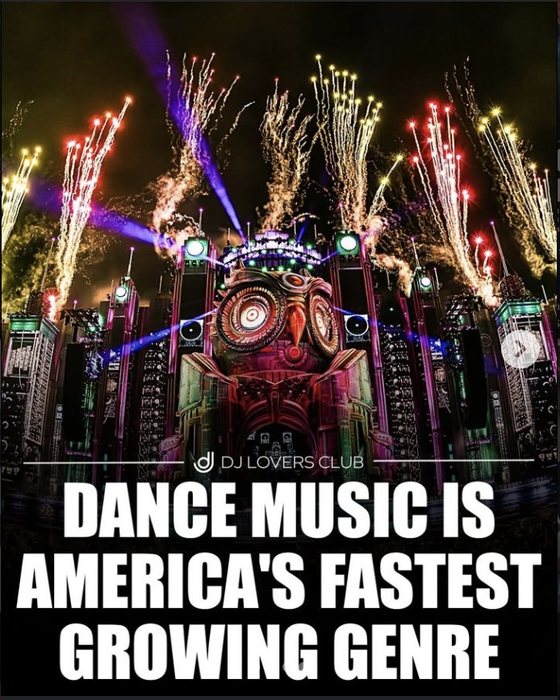
Alok: When you're doing a show for more than 100,000 people, which I do very often in Brazil, you have to understand that only about 30% of the crowd will actually see what's happening on stage, everyone far away can't really see. So the drones became a way to embrace everyone, so that everyone could have the experience. That's how we developed the synchronization of drones with timecode, fireworks in the show, so everyone could experience it.
Bobby: It's honestly pretty crazy how those drones work, and how they sync up with your music, it's incredible to watch.
Alok: I think that's the magic of it, synchronizing the music and the effects, and doing the right music for it, because I've been to drone shows in Saudi Arabia and Dubai where it's just there for free, out of the blue, and if it doesn't have that effect on people, nobody cares. But if you bring the atmosphere, the music, the soundtrack, and bring everyone into it, and then add the drones as another element, it becomes magic.
Sphere And Favorite Collaborators
Bobby: No, absolutely. You've been part of some insane productions too, I haven't been to Sphere yet, but you just recently played there, right? First Brazilian DJ to play Sphere, that's dope, congrats. What was it like being in there, setting up the visuals?
Alok: It's because ILLENIUM was such a gentleman with me, he invited me to perform. I love that guy, we did a song together, I didn't even need to sell tickets, he was sold out already, he didn't need me there, he did it because he's a gentleman. His show was amazing, honestly, there were moments that were very impressive. Sphere is one of those places where you have to do something very specific for it, it's not like a normal show, and it's super challenging, super expensive too.
Bobby: Yeah, it's crazy how expensive it is. Did you design your visuals too, or did he?
Alok: He designed them. Actually his visuals were reactive, the way the music was hitting, the content was reacting to it in real time.
Bobby: What? That's insane.
Alok: I think it's called Unreal Engine, as soon as the music hits, the drop comes, the content reacts to it.
Bobby: So you've collabed with ILLENIUM on a song too, you've collabed with a few American artists, who would you say are your favorite American artists to work with?
Alok: I haven't collabed with that many Americans, honestly. There's The Chainsmokers, ILLENIUM, a remix with Green Velvet, and Sidepiece. All of them are amazing, super nice. I was really impressed with Green Velvet, he's such a nice guy.
Bobby: Really? Have you met him?
Alok: Not yet.
Bobby: I heard he's a sweetheart.
Alok: He is, he has a huge heart. It was interesting, we were talking about playing some songs, and he said, "I don't think about this song," and I asked why, and he said, "Because I'm Christian." I said, wow, me too, can you explain more about this song, because of what it talks about? I wasn't expecting that from him, but he's really into his faith.
Bobby: So he's making decisions about his music based on his faith?
Alok: I think he's just not playing certain songs that go against what he believes.
Bobby: Really? Wow, that probably explains why his sets are so good. I didn't see you two go back to back, but I saw him go back to back with John Summit at the EDC Las Vegas main stage. Did you see that? Were you there for the sunrise set?
Alok: It was very good, incredible, that set when they played the "Shake" and Pop John Summit remix, I was going off. I'll never forget the song they opened with, I think it was Cassian, so good. He was super humble with me too, I wasn't originally booked for EDC Orlando and he was, and after my set at Coachella with Keep Art Human, we tried to develop something for EDC, but there were no slots left. So they asked Green Velvet if he'd be okay having me as a back to back, he said yes, a lot of artists wouldn't say yes, and he's really amazing. All of them, honestly, are great. One of them is married to a Brazilian now. And Drew, from Sidepiece, they're the funniest dudes ever, it's tough to have a serious conversation with them, they're just cracking jokes the whole time.
Bobby: I did an interview with them once, have you ever seen the show South Park?
Alok: Exactly.
Bobby: They referenced South Park the whole time. I was going to say American Pie, but South Park is literally what they were making jokes about the whole time. It was so funny. We're doing that at a radio interview another time.
Favorite Festivals
Bobby: But yo, you've played all over the world, festivals everywhere, what would you say is your favorite country outside of Brazil to play shows in, and what's your favorite festival you've ever played?
Alok: I honestly can't say, I wouldn't be fair with myself.
Bobby: True, I get it.
Alok: There's so many special places, the world is so unique and beautiful and diverse. I'll give you an example. Tomorrowland last year, they had that main stage fire tragedy, and I was playing again at the same venue, but writing a completely different story because of what happened. It was the best vibe I could ever feel at Tomorrowland, even though they didn't have that stage anymore, that moment, in the same place, was just so magical. I also just played EDC Mexico, it was the best so far, crazy amazing, they really know what they're doing, they really know how to make people, like your friend was saying, he was into hip hop, then he went to EDC and it changed his mind.
Bobby: Talking about Logan, by the way, Logan changed his mind, the man behind the camera right there.
Alok: I think EDC shaped the culture of EDM in Mexico, which I didn't think was strong before. I used to play in Mexico City a long time ago, and it wasn't the same. People are way more educated about it now, way more sophisticated, they're really into it. Mexico is really, really good.
Bobby: Yeah, I've never been to EDC Mexico, I've seen clips, the energy looks insane, it's one of the hardest crowds to play to.
Alok: Why would you say that?
Bobby: It's one of the hardest crowds you can ever face.
Alok: But once you conquer them, they give you everything, stuff you can't find anywhere else. But you have to be prepared.
Bobby: Yeah, that makes complete sense.
Family And Rave The World
Bobby: So, what are you excited about for 2026? You just did Carnival, we're at the beginning of the year basically, what do you have going on for the rest of the year?
Alok: I'll tell you, I think the biggest challenge of my career right now is finding the balance between touring and my family. My family's here with me now in Miami, I'm really enjoying it, planning everything with them. At some point I realized it doesn't matter if I'm number one in the world, what matters is if I'm number one for them. I don't want my kids to see their dad on socials and follow him there, I want to be present, and I want to heal myself, and heal everything I need to heal from my own childhood, through them, honoring my dad, my mom, but through them. It's been such an amazing journey, seeing how they're shaping me, changing me, with my wife supporting it too. So anything I do now, for example, I'm releasing this "Rave the World" concept, which I launched at Copacabana.
Bobby: Very interesting.
Alok: I turned 34 last year, and it was the first time in my life I realized I wasn't part of the new generation anymore, and having that awareness takes a while to face, because I was always in my twenties, changing, shaping the world, and all of that. Now I'm seeing people in their twenties doing that, it's a different generation. I was trying to figure out how I could still be connected to the new generation through my music, because I am very connected to them through Free Fire, a super popular game that's not really big in the US, but huge in Asia, South America, Brazil, India. I'm very connected with the new generation there. But on the music side it's important too. So I was talking with Fabian, my creative director, about what we could launch as a brand for a show, based on the rave culture I came from, through my parents. So we said, let's rave, a new world, all of that, amazing, we got it. Then I went to his daughter, Lana, and asked what she thought, and she said, honestly, we're tired of hearing you guys say you have a simple solution to change the world, like you always say you're going to change it, and then you mess up the world, and now you want us to heal it and save it. We just want to live in it, that's what she meant. The expectations of Gen Z are completely different from ours. We had this mindset that we could change the world through the events, "Life Unite," "We Are the World," and all of that, and let's be honest, we failed. Gen Z looks at it differently, and I thought, you're so right, I feel so cringe now, I'm sorry about what I just said. It's not about a new world, it's about, let's rave the world, take what we learned from the raving culture, the PLUR, diversity, respect, unity, love, and bring that to society. Let's rave this world. Maybe the best way we can heal the world is by raving it.
Bobby: No, I love it, man.
Finding Meaning
Alok: I'm about that life, I'm totally in on everything I do in my career, I need to find meaning in why I'm doing it. Even the concept we did at Coachella, "Keep Art Human," was a statement about what was going on, and now this "Rave the World" thing. At some point in my life I had everything people call success, fame, popularity, and I had a huge ego, I felt like I was the one, and I understand now when I see other artists start acting that way, because you have to pass through that moment, like I did, where you start being bossy, and you stop respecting the people around you because you think you're the hot stuff. When I got everything, I fell into a huge emptiness, I was so depressed, because if that was the meaning of life, it had no meaning for me anymore. I was an atheist for a long time, I was rebellious about it, like, if God exists, why so much hate, why war, why all of it. I was in a pretty depressive moment. A friend of mine told me about going to visit an indigenous community, and I went, not knowing I'd have to take three flights, thirteen hours, then nine hours in a small canoe. It was an interesting experience, because we have this mindset that we're the more developed culture and they're less, but once I was there I realized that doesn't really exist, they just have different values. While I was working on songs trying to get a top ten Beatport hit, they were making songs for healing. That really changed the way I approached my art.
After that, a friend told me he had a project in Mozambique, in Africa, and wanted me to go visit, thought it might be something for me. I was trying to find inspiration for my life, so I went, and that was a real life changing experience. I met an old woman who was blind in both eyes, tying her stomach for the last three days so she wouldn't feel the hunger, and she said she was praying to God that someone would come help her. I told the translator to tell her God doesn't exist, that if God existed he'd have abandoned her, please just tell her that. He told her, and she denied it, said, "No, no, no, I know what I'm saying, I'm praying to God and I know he'll send someone to help me." In that moment I realized I was the most miserable person there, she had way more faith than I did, despite everything, and I realized God never abandoned her, we did, just look back at history. That was the first time I really understood what God was, and I felt like he was embracing me in that moment. I said, I can't change the world, but I can change her world. So I started a project called Fraternity Without Borders with them, started helping them. I've already donated more than six million dollars, and we have more than 20,000 kids in the program now.
Bobby: Dude, that's amazing.
Alok: By the way, we brought her to the doctor, and she had cataracts, so she actually got surgery, and she could see again.
Bobby: No way.
Alok: She wasn't born blind, she had a disease you could operate on, and she'd been blind for years, but this was after a year, when she saw me for the first time, she could see me. That's why I do what I do. So I founded Instituto Alok, and for me, in order to feel like a success, I have to try to make this world a better place. When I was invited to become a character in Free Fire, back in 2019, they asked me what superpower I wanted. I asked if it was possible to have a healing power, like I'd learned. They said yes, but reminded me it's a battle royale game, I said, I'm sure. So my character became the bestseller, not because I'm a DJ, not because of my music, just because of that superpower changing the dynamic of the game. I donated 100% of my royalties, because I wanted to heal inside and outside. That's how I created my institute, that's how we donate to Africa and everywhere else. My life is really about using my career to try to make this world a better place.
Bobby: That is incredible, man, that's the mission you're on. It's incredible to find meaning in that too. I saw at Tomorrowland you talked to, excuse me if I pronounce this wrong, Sadhguru. I watch his clips all the time, his teachings, and what he does. How were you and him able to relate to each other?
Lessons From Sadhguru
Alok: He's amazing. I'll tell you some really good things I learned that day with him. First of all, what is a guru? He won't tell you what you want to hear, he'll tell you what you need. Think about it like this, you have a very messy room, and he's just going to turn on the light, so you can see what you have. That's what a guru does, he turns on the light so you can see what's wrong, but you have to fix it yourself, he won't clean it for you. The second thing, there's this ring here, I bought it for a million dollars.
Bobby: That one right there?
Alok: This one here. Actually, it's not true, it's a joke, it's a hundred dollars.
Bobby: I was about to say, dude.
Alok: But as soon as I told you it cost a million, you started to look at this ring differently.
Bobby: A hundred percent.
Alok: So it's about the stories we carry, that's the way we look at the world. The world isn't actually what's in front of you, it's the way you interpret it, with a whole storytelling around it. If I put a six here, you'll see a nine, I'll see a six, we could debate all day about who's right, we just have to switch positions to understand differently. Like, my stepmother sees a doll and starts crying, because in her childhood she didn't have one, but my daughter sees a doll and gets so happy. It's about all your traumas, and how you carry your love or your hate into the world. That's a super important lesson. The third lesson, which is amazing, is, don't tell me what you believe, I don't care, just show me how you treat people, and I'll tell you what you believe. That's the point, it's not about the dogma. So I think those were the most important lessons I learned from him, because when people get defensive about their beliefs, I just think, I'm turning on your light, you're seeing your own mess.
Bobby: Wow, that is such a powerful teaching, it's really about rewiring your brain, how you're seeing things in perspective.
Alok: That's how I interpreted what he was saying, maybe other people took it differently, but that's how I understood it. He didn't actually talk about the ring, I'm just giving you examples.
Bobby: No, absolutely, it was a really good example, I completely understood what you were saying after that. I looked at your ring and I did think it was a million dollars at first, I was like, what is this doing in my apartment right now, did someone follow you here?
Alok: But yeah, maybe some guy would actually believe it and buy it.
Bobby: Yeah, you could upcharge it.
Alok: I wouldn't, I'd donate it.
Bobby: No, I hear you. Wow, man, it's super amazing, all this beautiful stuff you've done with your career, to tell you the truth, shout out to you, much respect.
Mick Jagger And Top Tracks
Alok: I mean, I'm 34, but I have a lot of miles already, I've been playing since I was 12, and I still think it's just the beginning. I want to be like Mick Jagger, I did two songs with him, and it's amazing, because he's 84 and still doing shows. It's crazy, right? I was talking with him, and I couldn't answer a call, because I was with my kids, and I told him sorry, and he said, "I just had my kid here too." I didn't know he had a kid at 82.
Bobby: Did you know that? Did he have it recently?
Alok: Yeah, at 82 he had a new kid.
Bobby: At 82 years old.
Alok: Yes. He called me and said he'd been listening to some stuff, and thought I should try a certain direction. The first song I did with him, I had to do seven different versions before he was happy with it. The second song, called "Ghost Town," I had to do ten. On the tenth version he called me and I said, now I understand why you wrote "I Can't Get No Satisfaction," because you're never satisfied, this is the tenth version, what else can I do? It's amazing because he really dives into it, he's really trying to understand what I'm doing. It's not because he's the legend that he won't listen to a young guy.
Bobby: No, absolutely, that's crazy, I'm blown away, I didn't even know you could have kids at 82, shout out to Mick Jagger, if you know what I'm saying.
Alok: He's amazing.
Bobby: Yo, I do want to talk about your music for a second. This is going to be pretty hard to answer, but if you had to pick five of your favorite tracks of your own, what would they be? Your top five tracks.
Alok: No way. Your top five tracks, mine?
Bobby: Yours.
Alok: Yours that you've ever released?
Bobby: Yeah.
Alok: "Hear Me Now."
Bobby: Okay, the OG.
Alok: "Fuego."
Bobby: Yeah.
Alok: "Deep Down." And one you guys have never heard, I produced for a hip hop group in Brazil, I'm the producer and songwriter on it, it had a very important subject in Brazil, and we had 20 million views on YouTube in the first day.
Bobby: What?
Alok: It's not electronic. And, sorry, can I say one more, my project with the indigenous community, "Future Ancestral," is also super important, it's not streamable, but it's made to raise consciousness.
Bobby: It's amazing. Wait, so did you think I was asking for your five favorite songs? I want to know that too.
Alok: I would say, there's a song I always wished was mine, "Titanium" by David Guetta and Afrojack. It's funny, Afrojack said in an interview that he almost didn't want to sign the song, because it was too commercial for him at the time, so he pulled his name off it.
Bobby: Wow, I would be crazy.
Alok: And why am I telling you this, because it's a song that, when I was playing in Brazil, when I was playing in China back in 2014, when people didn't know about electronic music, everyone could sing that song. I don't know what happened, but everyone in the world knows that song. I don't play it in my sets, I think I'm the only guy who could get away with playing David Guetta and Afrojack at a festival, it would be a little too cheesy otherwise. But it's a song that blew up, it's amazing. It's funny, I was thinking about that while performing "Hear Me Now" with Zeeba, and if I had to choose between "Hear Me Now" and "Titanium," even though "Titanium" is bigger, I'd choose "Hear Me Now," because Zeeba's always singing it with me, you can never see her without it. Well, she did sing it with David Guetta at Ultra last year, she came out in that dress, but she's with me every weekend in Brazil, she's my partner, we're very good friends. So for the friendship, I'd choose "Hear Me Now" ten times over.
Bobby: No, I get it. Well, the other song, I'd only say hits, but for example, "Show Me Love" by Robin S, a classic, everyone knows that one, Axwell said the same thing.
Alok: Did he? That's one of his all time favorite songs.
Bobby: Interesting.
Alok: There's a song I really like, "Sweet Disposition."
Bobby: Oh, the OG, there's a few remixes of that.
Alok: No, not a remix, just the original, any version really. I like it because I think it connects with the electronic scene, even though it's not electronic itself, it's a timeless song. I'd also say Fatima Yamaha, and I'm just doing a verse now with DJ Khaled on it, because "Deep Down" is also a rework of a song that already existed, so when I really want to, I try to find a way to make my own version of it.
Bobby: Absolutely.
Alok: There's so many songs, I don't know how to narrow it to five, I'd say ten. I really like the one I did a verse on, I love that one. I like the remix one too, he made a remix of mine, that one's really good, it's got a heavier drop in the beginning. There's so many good songs, honestly, I'd say "Levels," classic, timeless. One of mine, I actually showed you this song, "Lady" by Modjo.
Bobby: Oh yeah, of course, all time tune, literally an all time tune. The hip hop guy is a dance music fan now.
Alok: Of course.
Bobby: Let's go, we love that, it's amazing. Yo, listen, man, I appreciate you coming in today, by the way, much love to you, brother, for real, you're the man. And I'm going to take you up on that offer to come to Carnival on my birthday.
Alok: Birthday, right?
Bobby: Yeah.
Alok: I mean, you really should, seriously, I think it's not only good for your birthday and having fun, I think it's also good for the mindset of your project.
Bobby: Yeah, a hundred percent, we need to come experience it, and I'll be happy to come hang out and do that with you, man. So much love to you.
Alok: Thank you. Team, everyone else.