From the DJLC channel
How Pre-Recorded and Pre-Calculated DJ Sets Actually Work
Why festival sets from acts like Anyma and deadmau5 get accused of being pre-recorded, and what is actually happening behind the decks. It covers Ableton based hybrid live setups, visual sync gimmicks, and the timecode systems that keep fireworks and screens locked to a DJ's live mixing at festivals like EDC.
Transcript
For years now, there has been one hot topic of discussion in the EDM scene: pre-recorded sets. At most major festivals, people actually believe that you have to play a pre-recorded set. From the Anyma Sphere show to the Tomorrowland stage, are DJs really pre-recording sets, faking it, pretending to push buttons? Or are they doing what I like to call pre-calculating? To understand this, we have to go back.
In the early 2000s, there were primarily two types of DJs: those who came from the mixing world, and those who came from the producing world. Alesso, Calvin Harris, Kygo: these are all big-name artists who originally started as musicians and producers, not people who had ever touched a board before. I'm not claiming that these particular DJs have ever pre-recorded a set, but you can kind of see where I'm getting at. As producers started gaining popularity, so did their name. People didn't just want to see the person who sang the song, but the one who produced it, especially as EDM was on the rise. This is kind of where the thought of pre-recording sets even came from in the first place, since big booking agencies are always on the lookout for popular songs. Once in a while they come across a killer producer who lacks the skill to mix, so they say to him, "Hey man, we got you booked to play your hit song. We'll just pre-record the set and we both get paid." Works out for both of them.
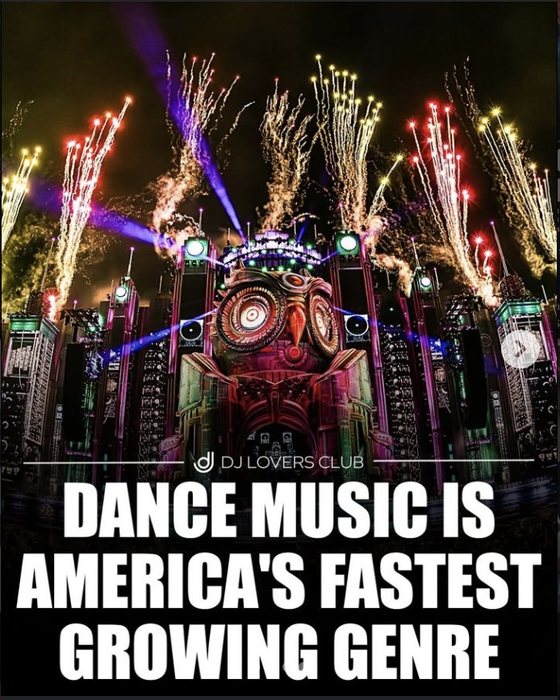
Now let's move on to pre-calculated sets. It's the age of visuals, where nowadays everyone has a visual gimmick: a portal effect, James Hype's sync button, deadmau5's cube. As visuals grow ever more elaborate, so does the use of pre-recorded sets, because the visuals have to match the beat in sync, right? You know what a dead giveaway to a pre-recorded set is supposed to be? The visuals. Wrong.
Let's take the Anyma Sphere show, for example. Most people seem to think one thing: he's just pressing buttons. But what they don't realize is the system behind it, which uses Ableton's Session View, two custom MIDI controllers, two Launchpads, and volume faders. No board, no mixing. The visuals are synced to his Ableton set, so when he plays a specific song, it plays the visuals from that exact point in the song. The craziest part is he's using effects and sequencing in addition to modifying synths and drums, meaning these hybrid Ableton Live setups can remove any instrument on the fly and replace it with different sounds, like a robotic cello.
Think of it like this: these artists can pick from a variety of music, not just a set list of the same ten songs, and the team behind them is ready at any moment, matching the designated visuals with the right song. But the craziest thing that ties this all together is that deadmau5's setup was one of the first to function this way. The setup plays perfectly either way, whether he does nothing or decides to do as much of it live as he wants. This is probably why deadmau5 thinks: pre-recorded, probably not; pre-planned, probably. It comes down to what you would consider a pre-recorded set to be.
But how does this differ from a big mainstage festival like EDC? One touring DJ explained it this way: "I would be surprised if somebody actually played a set that wasn't pre-recorded, because at this point, that's just not true." It's called a timecode system, and it's the reason EDC's fireworks and visuals are always synced perfectly.
Here's how it works. One of the CDJs plays a special audio track, basically a coded signal, not music, and that signal goes straight to the visual team behind the stage. The track and the empty signal start at the same BPM and at the exact same position as the audio track, so it runs in sync using two CD players. But then what are they actually doing to mix? They use the fader start, so when they bring in a track, both the music and the synced visuals start together automatically. "I tell Sander in advance which track I'm going to play, using my laptop," the DJ explained. "I tell them, the next track I'm going to play is fine without you. In this case, I turn on the fader start, and when the beat comes back in, at the right point, I start mixing using the fader start." Even though the visuals are pre-programmed, they're still mixing these tracks live, choosing what to play and when in real time.
At these massive shows, it comes down to just a couple of things: timing, transitions, and improvisation. Synchronization is essential, and the team behind it is even more so. That doesn't mean we have to discredit all the things they've done. It means the show is precise. So, let me know what you think: would you say these DJs are pre-programming, or pre-recording?